
CORPORATE DIMENSIONS INSIGHTS
Why CMOs Are Shifting Event Budgets to Strategic Partners
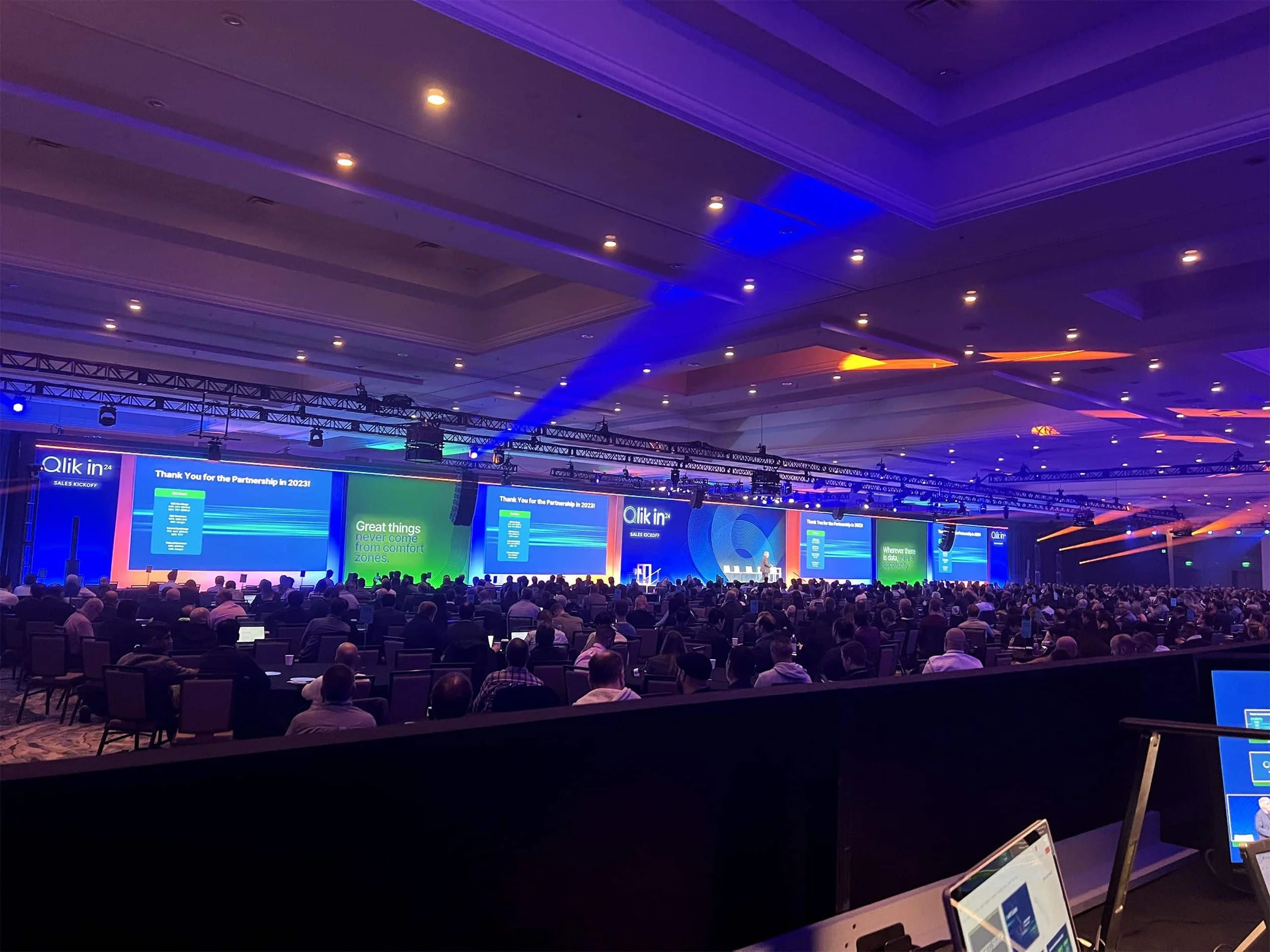
Marketing leaders are under increasing pressure to make every dollar work harder. Events are no exception. A sales kickoff, customer conference, leadership meeting or product launch can represent a significant investment. That investment should deliver far more than a well-run event. It should strengthen relationships, reinforce strategy, inspire action and create meaningful business impact.
That is why more marketing leaders are looking beyond traditional event vendors and choosing strategic event partners who can help shape the experience from the beginning. At Corporate Dimensions, we believe the best events begin long before production starts. They begin with understanding the business objective, the audience and what the organization ultimately wants people to think, feel or do differently because they attended.
Start With the Business Objective
Before discussing staging, décor, entertainment or technology, there is a more important question: What does this event need to accomplish?
A sales kickoff may need to build confidence around a new strategy. A customer conference may need to strengthen loyalty and create opportunities for deeper engagement. A leadership meeting may need to align teams around an important transformation. These are business objectives—not logistical ones.
When the objective is clear, every subsequent decision becomes more intentional. Content, creative, production, hospitality, technology and budget can all be evaluated against the same question: Does this help us achieve the outcome we want?
That discipline keeps the experience focused and helps ensure the budget is being invested where it will have the greatest impact.
Look at the Experience Holistically
Attendees do not experience an event as separate workstreams. They do not distinguish between registration, production, content, food and beverage, entertainment and logistics. To them, it is all one experience. That is why successful event strategy requires looking at the entire attendee journey—from the first invitation to the final goodbye. How easy was registration? Was communication clear? Did arrival feel welcoming? Did the environment reflect the brand? Was the content compelling? Did networking feel natural? Were transitions seamless?
Every touchpoint contributes to the attendee’s perception of the organization. A strategic partner connects those moments so the experience feels intentional, cohesive and unmistakably connected to the brand.
Bring Strategy and Execution Together Early
Great ideas become far more powerful when the people responsible for executing them are involved from the beginning. A creative concept may look extraordinary on paper, but it still needs to work within the realities of the venue, budget, schedule, technology, labor requirements and production environment.
When strategy, creative, production and logistics are developed together, teams have more opportunity to make smart decisions early—before changes become expensive. This is where experience matters.
A strong event partner understands not only what could be exciting, but also what it will take to execute it successfully. That integration allows creativity to flourish while protecting the client’s budget and minimizing unnecessary surprises later.
Invest in the Moments That Matter Most
Strategic event planning is not about spending more. It is about spending with purpose. Not every element of an event deserves the same level of investment. The right allocation depends entirely on the business objective and audience.
If executive communication is critical, content development, speaker preparation and general session production may deserve greater emphasis. If relationship-building is the priority, hospitality, networking environments and shared experiences may create more value. If the objective is education, the investment may shift toward session design, technology and opportunities for meaningful interaction. A strategic partner helps clients understand these tradeoffs before money is committed. Sometimes the answer is a more sophisticated production environment. Sometimes it is simplifying one area so resources can be redirected toward something the audience will value more.
The goal is never simply to make the event bigger. The goal is to make the investment smarter.
Give Internal Teams More Capacity to Lead
Today’s internal marketing and event teams are managing more responsibilities than ever—campaigns, launches, leadership requests, content, communications and often multiple events happening simultaneously. A strategic event partner gives those teams leverage. The partner manages the specialized planning, production, sourcing, logistics and financial oversight while the internal team remains focused on the brand, stakeholders and business priorities. Over time, that relationship becomes even more valuable.
A long-term partner learns the organization, its culture, leadership preferences, audience expectations and financial priorities. Lessons from one program inform the next. Processes become more efficient. Decisions happen faster. And the client does not need to educate a new team every time an event begins.
The partner becomes an extension of the organization rather than another vendor to manage.
Protect the Investment Through Execution
Live events rarely unfold exactly as planned. Schedules change. Speakers arrive late. Attendance fluctuates. Weather intervenes. Technology creates unexpected challenges. The audience should never feel that complexity.
Experienced event teams anticipate issues, develop contingency plans and make decisions quickly when circumstances change. That ability to remain calm and solve problems behind the scenes is one of the most valuable things an event partner provides. It allows the client’s leadership and marketing teams to remain focused on their attendees rather than troubleshooting the event.
Maintain Financial Visibility
A strategic partner should also help protect the investment financially. That means establishing realistic budgets early, identifying cost implications before commitments are made, managing changes throughout the planning process and providing clear reconciliation after the event. Clients should understand where their money was spent, why decisions were made and where opportunities may exist to improve future programs.
At Corporate Dimensions, we believe financial stewardship is part of the event strategy—not something addressed only after the event is over. The goal is to provide clients with a clear picture of their total investment and the information they need to make smarter decisions year after year..
Turn Every Event Into Intelligence for the Next One
The work should not end when the final guest departs. Attendance patterns, engagement, feedback, budget performance and onsite observations all provide valuable insight.
What resonated?
Where did attendees engage most?
Which investments created the greatest impact?
What could be done differently next time?
Those insights allow organizations to build stronger event programs rather than approaching every event as an isolated project. Over time, the strategy becomes sharper, the investment becomes more informed and the attendee experience becomes more consistent.
Choose a Strategic Partner, Not Simply Another Vendor
The strongest event partnerships are built on trust, transparency and a shared commitment to the outcome.
At Corporate Dimensions, we begin by listening. We work to understand the business objective, the audience and the bigger picture before recommending the solution. Then we bring together strategy, creative thinking, event management, production, technology, logistics and financial oversight to deliver the experience.
Because successful events are not simply about what happens in the room. They are about what people feel, remember and do next. And when every element is working toward the same objective, an event becomes more than an expense on a marketing budget. It becomes a strategic investment in the brand, the audience and the business.


